
The family car you want, seven years younger.
The same budget that buys an older local people mover or SUV can often buy a newer, lower-kilometre equivalent from Japan.
Japanese-market cars are not built to ADR 34, so anchorage points are often fewer, differently placed, or absent in the third row. Usually solvable at compliance, but only if it is checked before you bid.
Why wait for one from Japan?
Locally you get whatever a few families in your city happen to be selling this month. From Japan you get the pick of thousands, checked before you commit.
Same year, similar kilometres, similar specification. You get the landed figure and the local figure side by side before you bid — and if the Australian car is the better buy, we say so.
We compare landed cost against a comparable Australian people mover or SUV: same year, similar kilometres, similar specification.
Auction grade, repair and accident notes, verified kilometres, plus anchorage and seating checks on the exact variant.
Sliding doors, eight seats, hybrid, the safety pack. Filter for it rather than hope a local listing happens to have it.
If the sheet shows structural repair or bidding gets silly, we walk away. Another suitable car comes up most weeks.
Yes, importing takes longer. The reason to wait is a better-condition car with the seating and safety specification your household actually needs, rather than the best of what is listed locally today.
How many restraints do you need, and where?
Pick the closest match. We will tell you what the car has to have from the factory, what can be added here, and which auction models actually work.
The common case, and the easy one. Most Japanese family cars from 2015 on carry two anchorage points behind the second-row seat backs. We confirm which positions are actually usable from the photos and sheet.
If one position is missing or fouled by trim, a workshop can certify a point on that side. Outboard only, never the centre.
Anchorage work on an import is done at compliance and certified under your state’s scheme — a VSCCS engineer in NSW, a modification plate in Queensland, an approved signatory elsewhere. We get the plan and the quote in writing before the car is bid on.
What that budget actually buys in Japan
Same shape, same use, different starting point. Landed figures include bidding, shipping, duty, GST and compliance.
Estimates only, from comparable completed imports. Every car gets a written landed-cost breakdown before you bid. Anchorage work, if needed, is quoted as a separate line.
Five things worth knowing before you commit
Tell us the pram you own. Sliding-door models like Noah and Voxy keep a deeper well behind the third row than the SUV shapes do.
A 2019 with 60,000 km and stamped servicing beats a 2016 with 40,000 km that sat unused. We translate the service book and flag any battery already replaced.
Noah, Voxy, Freed and Vezel share drivetrains with models sold here, so consumables are off the shelf. Body panels and trim are the parts worth pricing before you bid.
Cars from Hokkaido and the north see road salt every winter. Inspectors note corrosion and we read the underbody photos. For a car that has to last a decade, this beats a half-grade difference.
Auction to compliant and registered runs eight to twelve weeks. If you are replacing a car you still need to drive, start before you sell it.
Family lots at auction this week
Browse all family models →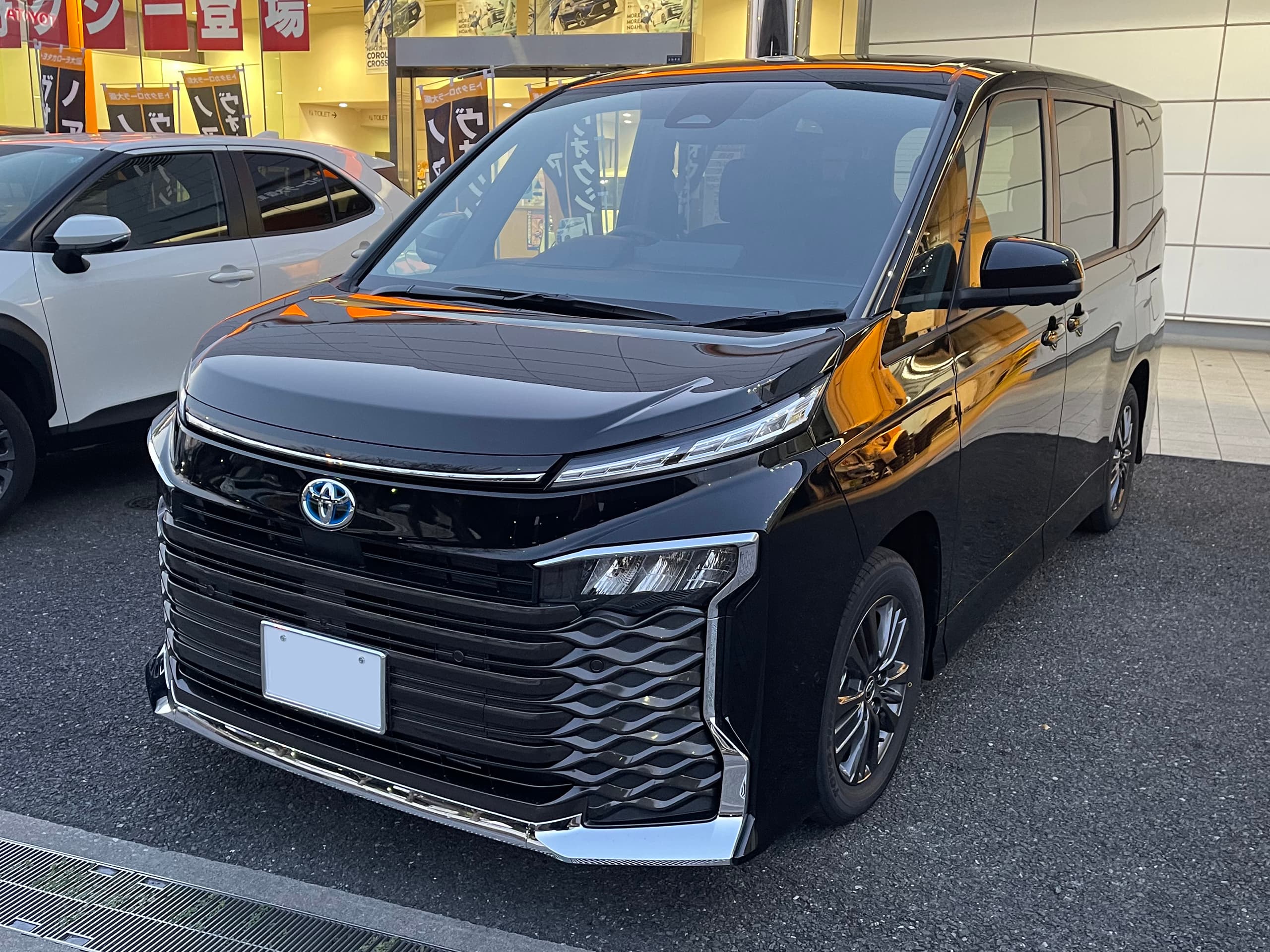 4.5
4.5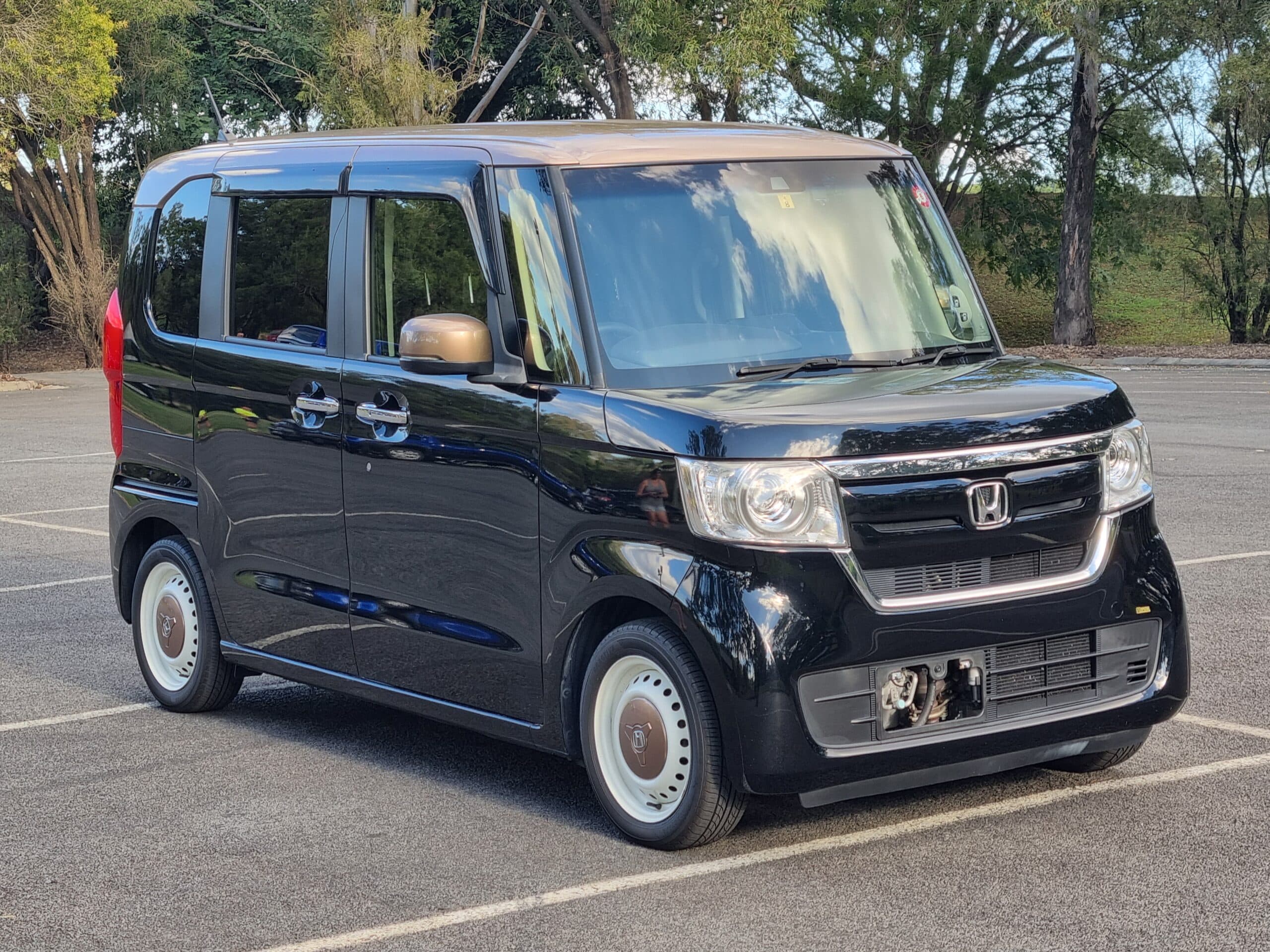 44.5
44.5 4
4